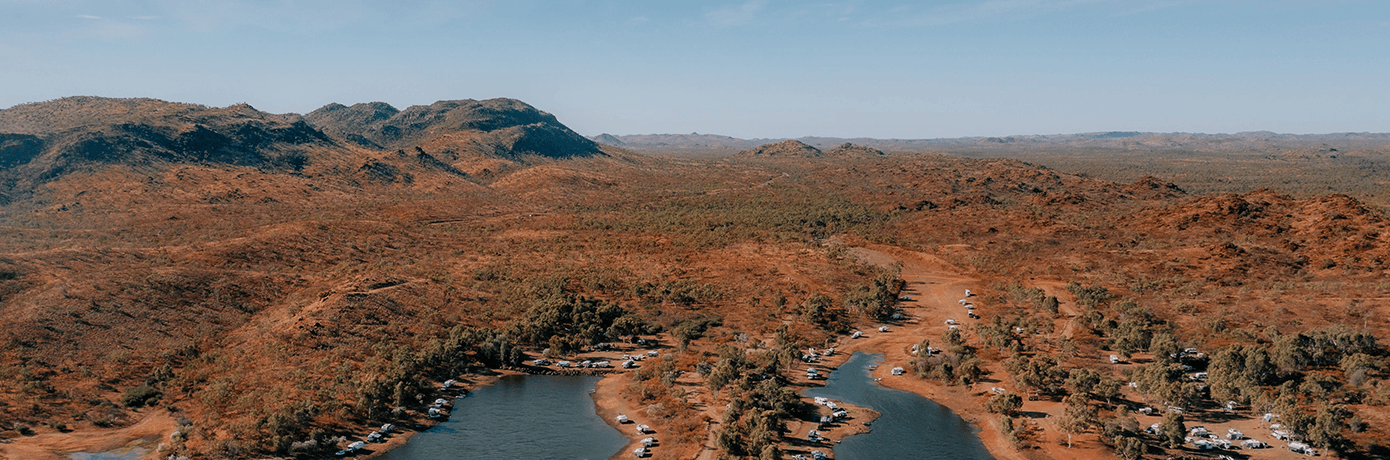
The Australian Outback has a way of capturing people’s imagination long before they ever get there.
Maybe it’s the endless horizons. Maybe it’s the red earth, the roadhouses, the remote landscapes or the feeling that almost anything could be waiting around the next bend. Whatever draws you in, one thing becomes clear quickly: the Outback isn’t a place you rush through.
It rewards preparation, patience and a willingness to embrace the unexpected.
Whether you’re planning your first Outback adventure or looking for inspiration for your next one, here’s what you should know before heading into one of Australia’s most remarkable regions.
Outback Travel Tips
Preparation Goes a Long Way
The Outback isn’t difficult to enjoy, but it does demand a little more planning than a weekend away on the coast.
Water should always be at the top of your packing list. Conditions can be harsh, particularly during warmer months, and staying hydrated makes a huge difference. Sun protection is equally important. A hat, sunscreen and lightweight clothing are often worth their weight in gold after a few hours outdoors.
It’s also worth carrying a basic emergency kit with essentials such as first aid supplies, a torch, spare batteries and extra water. Most trips go exactly to plan, but being prepared gives you peace of mind if they don’t.
Travel With Company When You Can
One of the great things about Outback travel is the people you meet along the way.
Travelling with friends, joining a tour or exploring alongside other travellers can make the experience more enjoyable and more practical. Remote areas can present challenges that are easier to manage when you’re not tackling them alone.
And if you’ve ever watched a desert sunset or shared stories around a campfire, you’ll know these are the kinds of experiences that are often better when shared.
Stick to the Route, Enjoy the Detours
Part of the appeal of the Outback is leaving the everyday behind.
That doesn’t mean leaving common sense behind as well.
Major highways and well travelled routes connect many of Australia’s most iconic Outback destinations, and they’re usually the best way to experience the region safely. Along the way you’ll find country towns, roadhouses and local characters that often end up becoming highlights of the trip themselves.
Places like Coober Pedy, Emerald, Tennant Creek and Kununurra are more than refuelling stops. They’re destinations with their own stories to tell.
Travel Safely
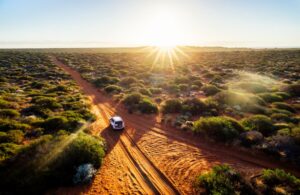
Distances in the Outback have a habit of looking shorter on a map than they feel in reality.
If you’re driving, make sure your vehicle is in good condition before setting off. Checking tyres, fluids and essential equipment before a long journey is always worthwhile.
The road itself is often part of the adventure, so the more confidence you have in your transport, the more you’ll be able to focus on enjoying the journey.
Leave Room for the Unexpected
Every good trip needs a plan.
Every great trip leaves a little room for changing that plan.
The Outback is full of places that convince travellers to stay longer than expected. A town you only intended to stop in for lunch, a walking trail that deserves another day, or a lookout that keeps you hanging around for sunset.
Having an itinerary is sensible. Building in a little flexibility is equally valuable.
Some of the best Outback travel stories start with a plan that changed along the way.
Respect the Wildlife
Australia’s wildlife is one of the reasons many travellers visit in the first place.
The best encounters are usually the ones where the animals are allowed to go about their business undisturbed.
Whether it’s a kangaroo crossing a track, a dingo in the distance or birdlife around a waterhole, keeping a respectful distance helps protect both wildlife and visitors.
The Outback offers plenty of opportunities to observe animals in their natural environment. There’s rarely any need to get any closer.
Dream Outback Destinations
Kakadu National Park
If you’re looking for a destination that demonstrates the scale and diversity of the Australian landscape, Kakadu is difficult to beat.
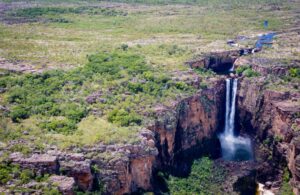
Located in the Northern Territory, Kakadu combines wetlands, escarpments, waterfalls, rock art sites and wildlife across a vast area of protected land. It’s the sort of place where every day feels completely different from the one before.
Some visitors come for the walking trails. Others come for the birdlife, cultural significance or photography opportunities. Whatever your reason, Kakadu has a way of making you feel very small in the best possible way.
Uluru-Kata Tjuta National Park
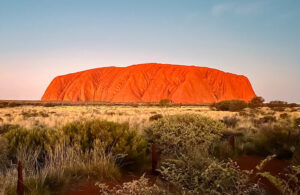
Few Australian landmarks are as recognisable as Uluru.
Photos give you an idea of its scale. Standing in front of it is something else entirely.
Rising from the surrounding landscape, Uluru remains one of Australia’s most significant cultural and natural landmarks. Sunrise and sunset are particularly memorable, as the colours of the rock seem to shift with the changing light.
The wider national park also deserves time. The landscapes surrounding Uluru are every bit as striking and help tell a deeper story about this part of Australia.
If you’re travelling through Central Australia, it’s one destination that rarely disappoints.
The Kimberley
The Kimberley feels less like a region and more like an expedition.
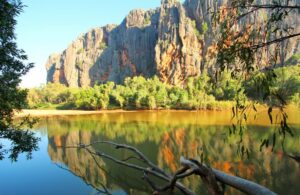
Covering a vast area of northern Western Australia, it’s home to rugged coastlines, ancient landscapes, dramatic gorges and some of the most remote scenery in the country.
Part of the appeal is simply the sense of space. You can travel for long stretches without seeing much evidence of modern life, which only adds to the feeling that you’re experiencing a very different side of Australia.
The Kimberley asks visitors to slow down and take their time. Those who do are usually rewarded for it.
Coober Pedy
There aren’t many places where “going underground” is part of everyday life.
In Coober Pedy, it’s completely normal.
Known as the opal capital of the world, this South Australian town is famous for its underground homes, businesses and attractions. It’s a practical response to the desert climate, but it also gives the town a character unlike anywhere else in Australia.
Visitors can learn about the region’s opal-mining history, explore underground spaces and venture out to nearby landscapes like the Breakaways, where the scenery feels more like another planet than South Australia.
It’s one of those places that tends to stay with people long after they leave.

Why the Outback Stays With You
The Outback is often described as remote, rugged or isolated.
Those descriptions are accurate, but they’re only part of the story.
What keeps people talking about the Outback long after they’ve returned home is the sense of perspective it provides. The vast landscapes, quiet roads and small communities have a way of slowing things down and reminding you that the journey can be every bit as rewarding as the destination.
And that’s what makes Australia’s Outback such a special place to explore.




 Packages
 All guides and inspiration